
0

Buy 2C-E
| Specification | Information |
|---|---|
| Compound Name | 2C-E |
| Chemical Class | Phenethylamine |
| Alternative Name | 2,5-Dimethoxy-4-ethylphenethylamine |
| Research Status | Limited scientific research |
| Primary Interest | Neuropharmacology and psychedelic research |
| Legal Status | Varies by jurisdiction |
| Intended Audience | Researchers, educators, historians |
Description
2C-E: Educational Research Overview
What Is 2C-E?
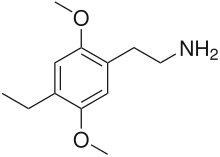
2C-E (2,5-dimethoxy-4-ethylphenethylamine) is a synthetic psychedelic compound belonging to the 2C family of substituted phenethylamines. The compound was first synthesized and documented by chemist Alexander Shulgin during his investigations into phenethylamine compounds.
Researchers and scholars have studied 2C-E because of its strong psychoactive properties and its relationship to other compounds in the 2C family.
Chemical Classification
- Chemical family: Phenethylamine
- Subclass: 2C substituted phenethylamines
- Molecular formula: C12H19NO2
- Appearance: Often described in research literature as a white crystalline material
- Research status: Limited scientific investigation
Mechanism of Action
Current scientific understanding suggests that compounds in the 2C family interact primarily with serotonin receptors, particularly 5-HT2A receptors. These interactions are believed to contribute to the perceptual and cognitive effects associated with psychedelic substances.
However, the exact pharmacology of 2C-E remains incompletely understood due to limited clinical research.
Research Interest
Academic and historical interest in 2C-E includes:
- Study of serotonin receptor activity
- Investigation of psychedelic pharmacology
- Comparative analysis of substituted phenethylamines
- Historical examination of psychoactive compounds
Safety Considerations
2C-E may present significant risks. Reported concerns include:
- Psychological distress
- Anxiety or panic reactions
- Increased heart rate and blood pressure
- Impaired judgment
- Unpredictable individual responses
The substance may also interact with medications or underlying health conditions.
Legal Status
The legal status of 2C-E varies considerably between countries. In many regions it is controlled or prohibited. Researchers and readers should consult current local regulations before handling or studying any controlled substances.
Research Limitations
Human studies involving 2C-E remain limited. Much of the publicly available information originates from historical documentation, observational reports, and limited pharmacological investigations.
Further scientific research is required to understand its pharmacology, safety profile, and long-term effects.
Additional information
Specification
| Quantity | 100 Grams, 500 Grams, 1000 Grams |
|---|
Related products
-

Buy 4-AcO-DET 20mg Pellets
Price range: €35.00 through €1,860.04 Add to Cart This product has multiple variants. The options may be chosen on the product page -

Buy 4-AcO-MET 20 MG Pellets
Price range: €24.95 through €259.95 Add to Cart This product has multiple variants. The options may be chosen on the product page -

Buy 4-HO-MET 20 MG Pellets
Price range: €37.95 through €259.95 Add to Cart This product has multiple variants. The options may be chosen on the product page -

Buy Beta-k-2C-B – βk-2C-B 80mg Pellets
Price range: €59.95 through €239.95 Add to Cart This product has multiple variants. The options may be chosen on the product page
 Phone/WhatsApp: +447723520779
 Email: Your business email